
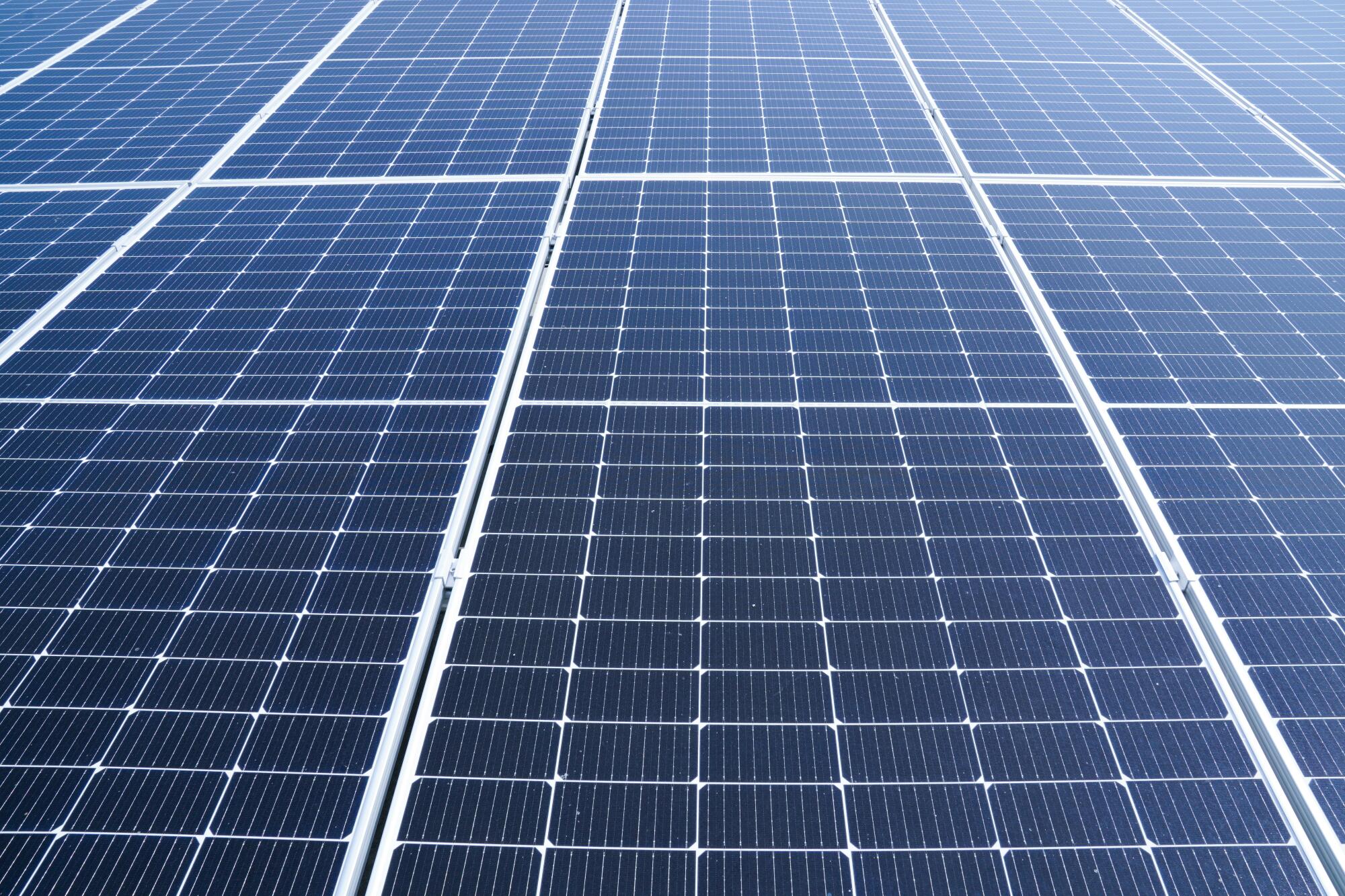
Solar panels continue generating electricity during hot weather, but extreme temperatures can reduce efficiency. Understanding the relationship between a solar panel and heat helps you maintain strong energy production and get the most value from your system.
According to the U.S. Energy Information Administration, Texas leads the nation in utility-scale solar generation, showing how effective solar energy can be even in a hot climate.
Texas summers bring intense sunshine, but heat can slightly reduce panel efficiency. Understanding solar panels and heat can help you improve output, protect system performance, and maximize energy production throughout the hottest months.
Can Solar Panels Overheat?
Solar panels can become very hot during summer, but overheating rarely causes damage when systems are installed correctly. Most modern panels are designed to handle high temperatures and harsh outdoor conditions.
Heat mainly affects efficiency rather than safety. Proper airflow beneath the panels helps reduce temperature buildup and supports steady energy production.
How to Cool Solar Panels Naturally?
Most solar panels cool themselves through natural airflow. Mounting systems create space beneath the panels, allowing heat to escape throughout the day.
Regular cleaning can also help. Removing dust and debris allows sunlight to reach the panels more effectively and supports better overall performance.
Why Heat Reduces Solar Efficiency
Hot weather creates more resistance inside solar cells, which can lower energy output. Strong sunlight still helps generate power, but excessive temperatures may affect overall production.
Many commercial owners ask, "Can solar panels overheat?" Modern systems are built to handle high temperatures, though heat can reduce efficiency. Good airflow remains one of the best forms of solar panel heat optimization.
Simple Ways to Improve Summer Output
Many businesses wonder how to cool solar panels during extreme heat. Most systems rely on airflow beneath the panels rather than mechanical cooling systems.
Proper panel spacing supports natural solar panel cooling and helps maintain stronger energy generation. Small improvements can play a role in maximizing summer solar output during long Texas heat waves.
Getting the Best Long-Term Results
System design has a major impact on solar system performance. High-quality equipment and professional installation help reduce efficiency losses during hot weather.
Strong Texas solar energy efficiency starts with selecting the right solar solution for local conditions. Consistent maintenance and smart system design also contribute to enhancing solar production throughout the year.
Heat Management Best Practices
Protecting panel efficiency during hot weather starts with simple maintenance habits. Small actions can help reduce heat buildup and support steady energy generation.
Key practices include:
- Clean panels
- Check airflow
- Trim vegetation
- Inspect wiring
Consistent upkeep helps maintain strong output even during the hottest summer months.
A Solar Panel and Heat: Maximizing Long-Term Performance
Understanding a solar panel and heat can help you get the most value from your solar investment. Hot weather may reduce efficiency slightly, but a properly designed system can still generate significant energy during the hottest months.
DFW Solar Electric helps Texas businesses turn unused roof space into long-term energy savings with custom commercial solar solutions designed for local conditions. Our team focuses on system designs that maximize production, efficiency, and return on investment.
Discover how smarter solar can support your business goals while reducing energy costs for years to come. Contact us today to learn more about commercial solar solutions tailored to your property.


Comments